Cozy Gnome: A Designer’s Review for Boutique Sweatshirts
As an embroidery designer who has spent years refining digitizing techniques for small clothing brands, I am always on the lookout for designs that bridge the gap between whimsical charm and commercial viability. When I first loaded the Cozy Gnome machine embroidery design into my software, my immediate impression was one of balanced simplicity. In the world of boutique apparel, especially during the high-demand holiday season, we often struggle to find artwork that is cute without being childish, and detailed without being dense. This design seems to hit that sweet spot, offering a playful yet elegant aesthetic that translates beautifully onto heavier fabrics.
For this review, I am evaluating Cozy Gnome through the lens of a real-world production scenario: preparing a limited-edition sweatshirt drop for a small online shop. The goal is to determine if this embroidery file can hold its own as a premium product feature or if it is better suited for casual craft projects. Based on the description stating it is "fun and easy to stitch" and looks "elegant and gorgeous on any fabric," I dove into the technical and visual aspects to see how it performs under professional scrutiny.
Visual Appeal and Stitch Personality
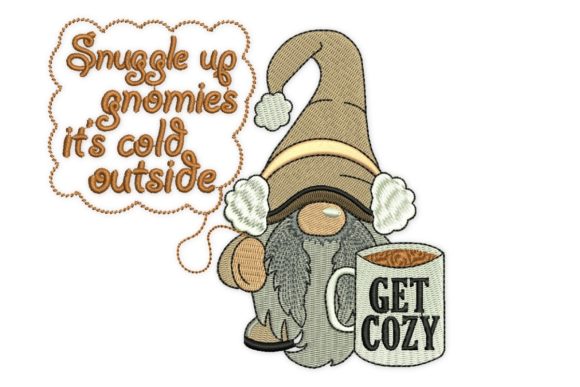
The first thing any Etsy seller or boutique owner notices is the mood of the design. Cozy Gnome exudes a rustic, cozy warmth that aligns perfectly with autumnal and winter collections. While it falls under the Thanksgiving category, its appeal extends beyond a single holiday. The character likely features soft curves and approachable details, avoiding the harsh, jagged lines that can look cheap when stitched out. The "elegance" mentioned in the product description suggests a refined digitizing job, where the stitch direction enhances the shape of the gnome rather than fighting against it.
When considering thread colors, this design offers versatility. On neutral sweatshirts like oatmeal, heather grey, or cream, earthy tones such as burnt orange, forest green, and deep brown will make the gnome pop while maintaining a sophisticated, organic feel. Conversely, on dark fabric like navy or charcoal, using lighter threads for the gnome’s beard or hat can create a striking contrast that draws the eye. The key here is the interplay between the fabric texture and the sheen of the rayon or polyester thread. A well-digitized design allows the thread to lay flat, creating a smooth, premium finish that customers associate with high-quality custom apparel.
Placement Strategy for Sweatshirts and Hoodies
One of the most critical decisions in sweatshirt embroidery is placement. Cozy Gnome appears versatile enough for several standard locations, each offering a different brand vibe. For a classic, understated look, left-chest placement on an oversized hoodie works wonders. It acts as a subtle badge of quality, inviting closer inspection without overwhelming the garment. This is ideal for brands aiming for a minimal, everyday wear aesthetic.
However, given the playful nature of the subject, a larger scale on the back of a crewneck sweatshirt could create a bold statement piece. This approach is trending heavily in streetwear-inspired handmade fashion. If the design scales well, it can serve as the centerpiece of the garment, turning a basic blank into a standout finished product. Sleeve accents are another option, though this requires careful consideration of the hoop constraints and the curvature of the arm. For a small shop product, offering multiple placement options can significantly increase perceived value and justify a higher price point.
Technical Considerations for Production
From a technical standpoint, working with heavy fabrics like fleece or French terry requires attention to stitch density and stabilization. The description notes that the design is "easy to stitch," which often implies optimized underlay and reasonable density. This is crucial for sweatshirt embroidery, as excessive density can cause puckering or make the fabric stiff and uncomfortable. As a designer, I would recommend testing the design on scrap fabric identical to your production blanks to gauge how the stitches interact with the pile of the fleece.
Choosing the right stabilizer is non-negotiable. For most sweatshirt applications, a cut-away stabilizer is preferred to provide long-term durability and prevent distortion after washing. Since Cozy Gnome is intended for commercial use, ensuring that the design remains crisp after multiple wash cycles is essential for buyer trust. Additionally, check the hoop size requirements. If the design is compact, it may fit in a 4x4 or 5x7 hoop, making it accessible for home-based entrepreneurs with smaller machines. If it is larger, ensure your equipment can handle the dimensions without compromising registration.
It is important to note that while the product description mentions "multiple embro," likely referring to multiple formats or sizes, you must verify the specific file types included before purchase. Ensure you have the correct format for your machine (such as PES, DST, or JEF) and check if various sizes are provided to accommodate different garment areas. Never assume compatibility; always confirm these details to avoid production delays.
Brand Identity and Marketability
Incorporating Cozy Gnome into your collection does more than just decorate a garment; it reinforces brand identity. For creative entrepreneurs, consistency in design quality builds customer loyalty. A well-executed gnome design signals attention to detail and a curated aesthetic. When photographed for printable mockup previews or lifestyle shots, the texture of the embroidery adds depth and tactile appeal that flat prints cannot achieve. This sensory element is a powerful sales tool for online listings.
For digital embroidery file users who also sell physical goods, this design can be part of a broader seasonal campaign. Pairing the sweatshirt with matching accessories, such as tote bags or beanies, creates a cohesive look that encourages bundle purchases. The "fun" aspect of the gnome invites engagement on social media, where behind-the-scenes videos of the stitching process can generate excitement and humanize your boutique brand.
Ultimately, the success of this design in a commercial setting depends on execution. It is not just about stitching the image; it is about presenting it as a desirable handmade product. High-quality thread, precise tension, and clean finishing touches like trimming jumps and pressing the garment post-embroidery are what separate amateur efforts from professional commercial embroidery. Cozy Gnome provides the artistic foundation, but your craftsmanship delivers the value.
Final Verdict for Small Business Owners
After reviewing the potential applications and technical requirements, Cozy Gnome stands out as a strong contender for seasonal collections. Its ability to look "gorgeous on any fabric" suggests a robust digitizing structure that adapts well to different materials. For apparel decorators and crafters looking to expand their holiday offerings, this design offers a blend of whimsy and elegance that appeals to a wide demographic. Whether used for a subtle chest logo or a bold back print, it has the potential to become a bestseller if paired with the right garments and marketing strategy. Remember to test your design assets thoroughly, choose your thread colors with intention, and let the quality of your stitch work speak for your brand.