I Came I Saw I Sold: A Designer’s Review
As an embroidery designer who spends countless hours digitizing and testing files, I am always on the lookout for designs that bridge the gap between visual appeal and technical reliability. When I first encountered I Came I Saw I Sold on Creative Fabrica, my interest was immediately piqued. The phrase itself suggests a narrative of success and hustle, which resonates deeply with the community of Etsy sellers, small business owners, and creative entrepreneurs who make up a significant portion of our customer base. This review explores whether this specific machine embroidery design lives up to its confident title when applied to real-world commercial projects.
First Impressions and Visual Mood
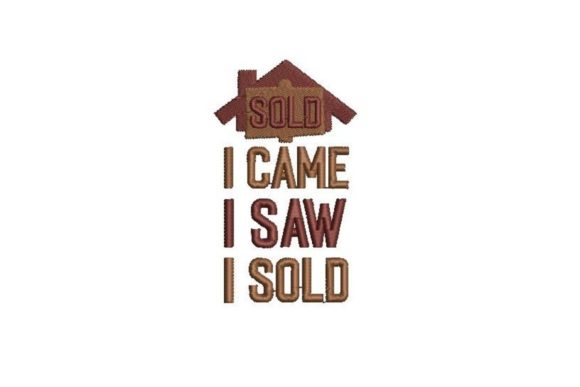
The initial visual impact of I Came I Saw I Sold is undeniably cheerful. In the realm of House and Embroidery categories, finding a design that feels modern yet approachable can be challenging. This design manages to strike a balance. It does not rely on overly complex shading or excessive detail, which is often a trap for amateur digitizers. Instead, it presents a clean, bold aesthetic that translates well across various mediums. The typography appears sturdy, suggesting that the digitizer prioritized readability and stitch integrity over unnecessary flourishes. For a designer, this is a promising sign. It indicates that the file was created with the end-user in mind, considering how the text will hold up on textured fabric or after multiple washes.
Performance in Real-World Applications
The true test of any digital embroidery file is its versatility. I evaluated how I Came I Saw I Sold might perform across a range of popular handmade products. Here is where the design shines:
- Tote Bag Design: Canvas tote bags are a staple for craft fairs. The bold nature of this design would stand out beautifully against natural cotton canvas. The stitch density appears sufficient to cover the weave of the fabric without sinking in, ensuring the message remains legible from a distance.
- Sweatshirt Embroidery: For custom apparel, particularly hoodies and crewnecks, this design offers a trendy, motivational vibe. It fits perfectly into the "boss babe" or small business owner niche. The cheerful touch mentioned in the product description translates well here, adding personality to plain garments.
- Embroidered Patch: Creating iron-on or sew-on patches is a lucrative side hustle. This design’s contained shape makes it an excellent candidate for patch creation. It can be stitched out on twill or felt, cut closely, and finished with a satin stitch border for a professional look.
- Kitchen Towels and Aprons: For the home decor market, this design adds a playful element to functional items. An apron embroidered with this phrase makes for a fantastic gift for someone starting a new venture or a home baker.
Technical Considerations for Embroiderers
While the design is described as very well digitized and easy to embroider, experienced crafters know that success depends on proper setup. Here are the practical aspects I considered during my evaluation:
Stitch Density and Fabric Choice: The description notes that the design is easy to embroider, which often implies a balanced stitch density. However, when working with stretchy fabric like jersey knits for t-shirts, using the correct stabilizer is non-negotiable. A cut-away stabilizer would likely be necessary to prevent puckering, especially if the design utilizes fill stitch areas. For woven fabrics like linen or cotton, a tear-away stabilizer might suffice, but testing on scrap fabric is always recommended before committing to the final piece.
Hoop Size and Placement: Although the product comes with multiple embroidery file formats, it is crucial to check the specific hoop size requirements listed on the Creative Fabrica product page. If you are planning to use this on a curved cap surface, ensure the design fits within your cap frame’s usable area. Cap embroidery requires careful hooping to avoid distortion, and a design with long, continuous lines needs precise tension settings.
Thread Colors and Contrast: The visual appeal of I Came I Saw I Sold relies heavily on contrast. When stitching on dark fabric, consider using lighter thread colors or incorporating a backing layer to ensure the text pops. Conversely, on light fabrics, vibrant, saturated thread colors will enhance the cheerful mood of the design. Always review your thread chart against the design preview to ensure the intended color separation works with your available inventory.
Enhancing Product Value and Brand Consistency
For those selling finished products, the choice of design assets directly influences buyer trust and perceived value. A cleanly stitched, professional-looking design signals quality. I Came I Saw I Sold offers a narrative that customers connect with—it celebrates achievement. This emotional connection can increase the giftability of your items. Whether it is a personalized gift for a friend who just launched a startup or a treat for oneself, the message adds meaning beyond the physical object.
Furthermore, consistency in your product photography is key. This design lends itself well to printable mockup creation. By placing the design on high-quality mockups of tote bags, sweatshirts, or pillow covers, you can create cohesive social media content that strengthens your brand identity. The clean lines of the embroidery allow for crisp, clear images that look professional in online listings.
Practical Steps Before You Stitch
Before you download and start producing inventory, take these steps to ensure the best results:
- Verify File Details: Confirm the available file formats match your embroidery machine. While the product description states it comes with multiple formats, double-check that your specific extension (such as PES, DST, or JEF) is included.
- Check Licensing Terms: If you plan to use this for commercial embroidery products, review the license agreement on the Creative Fabrica product page. Understanding your rights regarding the sale of finished items is essential for legal compliance.
- Test on Scrap Fabric: Never skip the test stitch. Use the same fabric and stabilizer combination you intend to use for the final product. Inspect small details after stitching to ensure there are no jumps or loose threads.
- Assess Washability: For items like baby blankets or kitchen towels that require frequent washing, ensure the stitch density is not too high, which could cause stiffness, nor too low, which might lead to unraveling. A well-digitized design should withstand standard laundering when properly stabilized.
Final Verdict
I Came I Saw I Sold is a strong contender for designers looking to expand their catalog with motivational, lifestyle-oriented designs. Its strength lies in its simplicity and versatility. It is not overly complicated, which reduces the risk of embroidery errors, making it suitable for both beginners and seasoned professionals. The cheerful touch it adds to creative projects is genuine, and its application spans from custom apparel to home decor.
For Etsy sellers and boutique merchandise creators, this design offers a ready-made solution for tapping into the market of entrepreneurial spirit and self-celebration. By paying attention to technical details like stabilizer choice and thread contrast, you can transform this digital embroidery file into a high-quality finished product that delights customers. As with any asset, the key to success is in the execution—test, refine, and present your work with confidence. If you are looking for a reliable, engaging design to add to your library, this one deserves a spot in your folder.