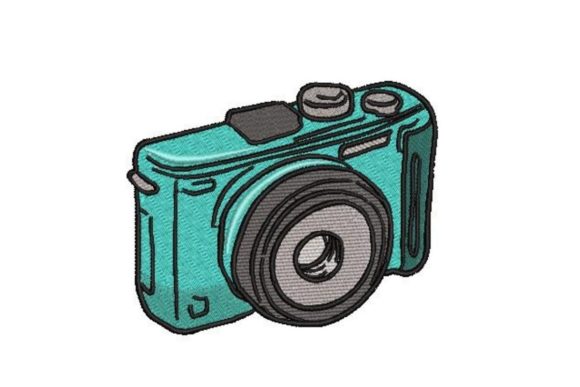
Review: Hand Drawn Illustration of a Camera
As a designer who spends half my life digitizing and the other half stitching, I have learned that not every pretty picture translates well into thread. When I first pulled up the Hand Drawn Illustration of a Camera, my initial reaction was one of cautious optimism. The sketch-style aesthetic is trendy, yes, but it is notoriously difficult to execute in machine embroidery without losing the delicate charm of the original artwork. I needed to know if this design held up under the needle or if it would turn into a messy blob of satin stitches on a finished product.
I decided to test this design in a real-world scenario that many of us face: creating a custom gift for a photography enthusiast. I chose a heavy-weight cotton tote bag, a popular item for Etsy sellers and craft fair vendors. The goal was to create a piece that felt artisanal and personal, fitting perfectly into the Vacation category for travelers who want to document their journeys in style. Here is my honest assessment of how this machine embroidery design performs from concept to completion.
First Impressions and Visual Personality
The immediate appeal of the Hand Drawn Illustration of a Camera lies in its organic lines. Unlike rigid, vector-based clip art, this illustration mimics the warmth of a pencil or ink sketch. For an embroidery project, this suggests a need for careful stitch selection. If the digitizer relied too heavily on dense fill stitches, the hand-drawn feel would vanish. Fortunately, upon closer inspection of the preview, the design utilizes a mix of running stitch outlines and lighter fill areas to preserve that sketched look.
This visual personality makes it incredibly versatile. It does not scream "mass-produced." Instead, it whispers "handmade." This is crucial for small shop products where customers are paying for uniqueness. The mood is nostalgic and creative, appealing directly to artists, photographers, and anyone who appreciates analog aesthetics in a digital world. It fits naturally into niches like wedding gifts for photographer couples, birthday presents for hobbyists, or even branding for creative agencies.
Performance on Real Fabrics
Theory is one thing; stitching is another. I loaded the digital embroidery file into my machine and hooped a piece of canvas for the tote bag. One of the first things I noticed was the importance of stabilizer choice. Because the design relies on fine lines to mimic a drawing, any pull or distortion in the fabric would ruin the illusion. I used a medium-weight cut-away stabilizer to ensure the fabric remained stable during stitching, which is essential for maintaining the integrity of the camera’s lens and body details.
The thread colors played a significant role in the final outcome. I tested two variations: a classic black thread on natural canvas and a dark grey on a charcoal sweatshirt. The black-on-canvas combination offered high contrast, making the details pop and ensuring the camera shape was instantly recognizable. This is ideal for tote bag design applications where visibility is key. However, when I stitched it on the dark sweatshirt using a lighter grey thread, the subtle nuances of the hand-drawn style shone through. It looked less like a logo and more like a piece of wearable art.
For those considering sweatshirt embroidery or custom apparel, be mindful of the fabric texture. Fleece and terry cloth can swallow small details. If you are stitching this on a textured fabric, you might need to increase the stitch density slightly or use a topping to keep the stitches from sinking in. The design’s success relies on clarity, so ensuring each line remains distinct is paramount.
Strategic Use Cases and Limitations
While the Hand Drawn Illustration of a Camera is charming, it is not a one-size-fits-all solution. I would hesitate to use this specific design on very small items like baby hats or tiny embroidered patches unless the hoop size allows for sufficient detail. Tiny corners and intricate parts of the camera body might merge together if scaled down too far. Always check the recommended hoop size provided with the files. If the design is intended for a 4x4 hoop, do not try to force it into a 2x2 space without expecting a loss of definition.
Additionally, consider the end-use of the product. If you are making holiday embroidery gifts like kitchen towels or aprons that will be washed frequently, ensure your thread quality is high and your backing is secure. The sketch style can look intentionally rustic, but loose threads or puckering will look like errors. For baby embroidery, softness is key. Ensure that the back of the stitching is covered or trimmed so it does not irritate sensitive skin, especially if the design is placed on a onesie or blanket.
This design also works beautifully for commercial embroidery projects. Imagine a local photography studio offering branded merchandise. This illustration serves as a sophisticated design asset that feels less corporate and more approachable. It builds trust and shows attention to detail, which reflects well on the brand. However, always confirm the licensing terms. Just because a file comes in multiple formats does not automatically grant commercial rights. Check the seller’s policy before listing finished items on your online store.
Designer Notes for Best Results
To get the most out of this embroidery file, follow these practical steps before you start your production run:
- Test on Scrap Fabric: Never stitch a new design directly on your final garment. Use a scrap piece of the same material to check tension and registration.
- Check Contrast: View your design in black and white on your computer screen. If the details disappear in monochrome, they will likely get lost in thread. Adjust your thread choices accordingly.
- Inspect Small Details: Zoom in on the preview. Look for potential jump stitches or dense areas that might cause bunching. A good digitizer will have minimized these, but it is worth verifying.
- Consider the Background: This design shines on solid colors. Avoid placing it over busy prints or patterns, as the hand-drawn lines will compete with the fabric design and lose impact.
- Verify File Formats: The description mentions multiple embroidery file formats. Ensure you have the correct format for your specific machine (e.g., PES, DST, JEF) to avoid conversion errors that can alter stitch paths.
Final Verdict on Value and Appeal
In the crowded market of handmade goods, presentation is everything. The Hand Drawn Illustration of a Camera offers a level of sophistication that elevates a simple personalized gift into a keepsake. It appeals to the emotion of the buyer—the love for capturing moments. When a customer sees this stitched onto a high-quality tote or a cozy hoodie, they perceive higher value. It signals that the creator cares about aesthetics and quality.
For craft business owners, this design is a strong addition to your library. It is specific enough to target a niche audience (photographers) but broad enough to appeal to general art lovers. It works well for printable mockup creation too, allowing you to showcase potential products on your website before you even stitch a single thread. This saves time and helps you gauge interest.
Ultimately, this design succeeds because it respects the medium. It does not try to be a photograph; it embraces the texture of thread to recreate the feel of a sketch. Whether you are creating finished product inventory for your boutique or making a one-off gift for a friend, this illustration provides a reliable, stylish foundation. Just remember to respect the limitations of your machine and fabric, and you will achieve a professional result that stands out in the world of Embroidery.