Reviewing 40 and Happy Lettering for Holiday Sales
As an embroidery designer who spends countless hours digitizing and testing files, I am always on the lookout for designs that bridge the gap between niche celebration and broad seasonal appeal. When I recently downloaded 40 and Happy Lettering from Creative Fabrica, my immediate goal was to determine if this specific machine embroidery design could carry weight in a high-volume holiday product line. We often think of birthdays as isolated events, but the end-of-year season is prime time for milestone celebrations, family gatherings, and gift-giving. This review explores how this design performs in real-world applications for Etsy sellers, small shop owners, and handmade gift makers.
First Impressions: Mood and Aesthetic Appeal
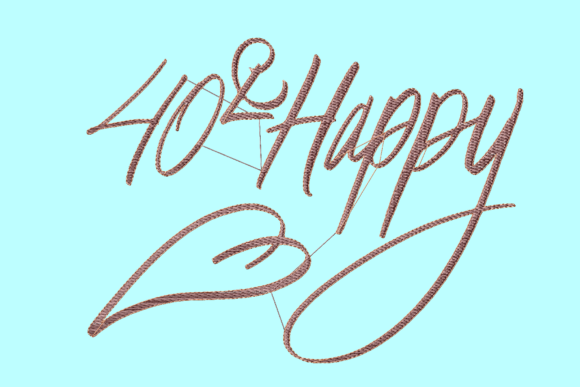
The first thing that strikes you about 40 and Happy Lettering is its celebratory yet approachable tone. It does not lean too heavily into childish fonts nor does it feel overly stiff or corporate. Instead, it strikes a balance that feels modern, playful, and slightly nostalgic. For a designer planning a seasonal collection, this versatility is crucial. The lettering style suggests joy and confidence, which aligns perfectly with the "milestone birthday" market. When I visualized this embroidery file on various textiles, it felt equally at home on a cozy winter sweatshirt as it did on a crisp kitchen towel. The design carries an emotional weight that resonates with buyers looking for something personal yet polished.
In terms of decorative style, the design avoids excessive complexity, which is a significant advantage for production efficiency. It feels festive without being cluttered. This clean aesthetic allows it to pair well with other seasonal elements, such as holly, snowflakes, or confetti motifs, making it a strong candidate for holiday embroidery bundles. Whether you are aiming for a rustic vibe or a modern minimalist look, this design adapts well to different brand identities.
Strategic Applications for Seasonal Selling
For any Etsy seller or craft fair participant, the key to profitability is versatility. I tested the potential of 40 and Happy Lettering across several product categories to see where it adds the most value. Here is how it performs in specific scenarios:
- Sweatshirt Embroidery: This is perhaps the strongest use case. During the colder months, personalized sweatshirts are top sellers. Placing this design on the left chest or centered on the back creates a premium look. It appeals to those buying personalized gifts for friends turning forty during the holiday season.
- Tote Bag Design: Canvas totes are year-round staples, but they spike in popularity as gift items. The bold lettering stands out well against natural canvas or colored cotton, making it an ideal small shop product for quick turnover.
- Kitchen Towel Embroidery: For home decor enthusiasts, embroidered linens are a thoughtful gift. The design’s clarity ensures it remains legible even on textured terry cloth, provided the correct stabilizer is used.
- Pillow Covers and Home Decor: A decorative pillow featuring this lettering can serve as a fun accent piece for a birthday party or a permanent addition to a living room. It adds a touch of personality to neutral home interiors.
- Embroidered Patches: Creating iron-on or sew-on patches allows customers to customize their own jackets or bags. This expands your market to those who prefer DIY customization over finished garments.
When building a seasonal embroidery collection, consider creating bundles. Pairing 40 and Happy Lettering with complementary graphics like balloons or stars can increase the perceived value of your digital embroidery file listings. These bundles perform exceptionally well in social media previews and printable promotional graphics, helping to drive engagement during the busy holiday shopping period.
Technical Considerations and Stitch Quality
While the aesthetic is appealing, technical execution is what determines customer satisfaction. As a designer, I always advise checking the specific details provided in the product description before stitching. Since the description notes that this is a high-quality design suitable for any fabric needing a celebratory accent, we can assume a certain level of optimization. However, there are critical factors to manage.
Stitch density is a primary concern. If the lettering is dense, it may cause puckering on lightweight fabrics. Always use a cut-away stabilizer for stretchy garments like sweatshirts to maintain shape after washing. For woven fabrics like tote bags or aprons, a tear-away stabilizer might suffice, but testing is essential. I recommend stitching a test sample on scrap fabric identical to your final product to check for registration issues or thread breaks.
Another consideration is thread colors. While the design likely looks great in standard metallic gold or silver for a festive touch, do not underestimate the power of contrast. On dark fabrics, bright white or neon threads can make the lettering pop. Conversely, tonal stitching on light fabrics offers a subtle, elegant finish. Be cautious with metallic threads, as they can be brittle; ensure your machine tension is adjusted correctly to prevent breakage during the stitching process.
Navigating Limitations and Best Practices
No design is universal, and 40 and Happy Lettering requires careful placement. Avoid using this design on very small hoop sizes if the lettering becomes illegible. Tiny details can get lost in the fabric texture, especially on towels or fleece. Additionally, be mindful of curved surfaces like baseball caps. Unless the design is specifically digitized for caps, the distortion may affect the readability of the text.
For items that require repeated washing, such as kitchen towel embroidery or baby items, ensure you are using high-quality rayon or polyester threads that resist fading. Customer trust is built on durability. If the stitching unravels or fades after one wash, it reflects poorly on your brand. Always include care instructions with your finished product to help customers maintain the quality of their purchase.
It is also vital to review the licensing terms on Creative Fabrica. Most designs allow for commercial use on physical products, but restrictions may apply to digital resale or large-scale manufacturing. Confirming these details protects your business and ensures you are operating within legal boundaries when selling commercial embroidery items.
Enhancing Brand Consistency and Buyer Emotion
Ultimately, the success of 40 and Happy Lettering in your shop depends on how it connects with buyer emotion. Milestone birthdays are emotional events. By offering a high-quality, beautifully stitched item, you are not just selling a product; you are selling a memory. This emotional connection increases giftability and encourages repeat customers.
To maximize this effect, focus on presentation. Use realistic mockups that show the texture of the stitch and the drape of the fabric. High-quality images build confidence in online shoppers. Consistent branding across your listings, using similar color palettes and styling, helps establish recognition. When customers see your work, they should immediately associate it with quality and thoughtfulness.
In conclusion, 40 and Happy Lettering is a valuable asset for any embroidery designer looking to expand their Birthdays and Embroidery offerings. Its adaptability across various products, from apparel to home decor, makes it a versatile choice for seasonal collections. By paying attention to technical details like stabilizer choice and thread selection, and by leveraging its emotional appeal through smart marketing, you can create standout products that resonate with holiday shoppers. Always remember to check the specific file formats and hoop sizes compatible with your machine, and never skip the test stitch. With careful execution, this design can become a staple in your profitable product lineup.