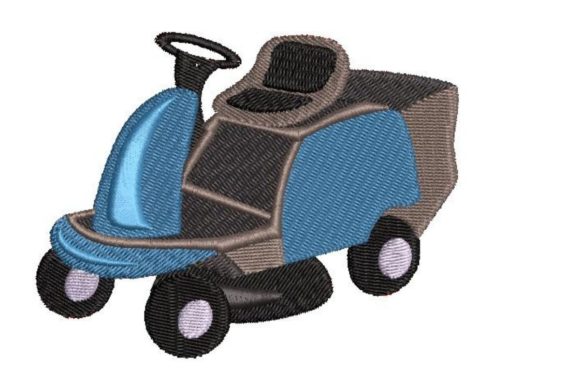
Ride on Lawn: A Designer’s Review for Craft Fairs
As an embroidery designer who has spent countless weekends standing behind booths at local markets, I know that the difference between a browser and a buyer often comes down to visual impact and relatability. When I first loaded the Ride on Lawn machine embroidery design onto my screen, my immediate thought was not just about stitch quality, but about marketability. This design taps into a specific, beloved niche: the rural lifestyle, farming culture, and the simple joy of maintaining a homestead. For craft fair sellers and Etsy shop owners, this is not just a pattern; it is a conversation starter.
First Impressions: Rustic Charm Meets Modern Utility
The title alone, Ride on Lawn, suggests a theme that is both functional and nostalgic. In the world of Transportation and Embroidery, we often see vehicles depicted in high-speed or luxury contexts. However, this design feels grounded. It exudes a farmhouse aesthetic that is currently dominating home decor trends. Whether the artwork leans towards cute, rustic, or slightly humorous, it appeals to a broad demographic. From the serious farmer to the suburban homeowner who takes pride in their green space, the subject matter is universally understood.
For a handmade product to succeed in a crowded marketplace, it must be identifiable from three feet away. Ride on Lawn achieves this by focusing on a recognizable silhouette. When evaluating this as a craft fair product, I look for clarity. Does the design get lost in complex shading? Based on its intended use for decorating clothes and homes, I anticipate a clean line work or balanced fill approach that ensures the lawn mower or tractor element remains the focal point. This clarity is essential for quick decision-making by customers walking past your booth.
Strategic Product Placement for Maximum Sales
Not every design works on every item. Part of being a successful small shop product creator is knowing where your design assets shine. Here is how I would strategically deploy Ride on Lawn across various inventory items:
- Tote Bag Design: This is perhaps the strongest contender. A canvas tote featuring this embroidery appeals to gardeners, farmers, and anyone carrying library books or groceries. The flat surface of a tote allows the design to sit perfectly without distortion, making it an ideal craft fair staple.
- Apron Embroidery: Targeting the "farmhouse kitchen" demographic, an apron with this motif adds personality to utility. It transforms a standard kitchen tool into a giftable item for Father’s Day, birthdays, or housewarmings.
- Tea Towel Embroidery: Kitchen textiles are impulse buys. If the design is scaled correctly, a set of embroidered tea towels can be priced accessibly while still offering high perceived value. The key here is ensuring the stitch density does not make the towel stiff or unusable.
- Embroidered Patch: Patches are versatile. They allow customers to customize their own jackets, hats, or bags. A Ride on Lawn patch appeals to the DIY crowd and can be sold as a standalone digital embroidery file or a finished physical product.
- Caps and Hats: While popular, caps require caution. The curved surface can distort wider designs. If the design is compact, it works well on the front panel. If it is wide, consider placing it on a flat-brimmed cap or sticking to tote bags to avoid puckering.
Production Practicalities for the Busy Maker
When preparing for a weekend market, efficiency is everything. You need designs that are repeatable and reliable. The description notes that this machine embroidery design comes with multiple embroidery file formats and can be used with multiple embroidery machines. This versatility is a huge plus for commercial embroidery operations. It means you are not locked into one brand of machine, allowing you to scale production across different hoops and setups.
However, practical judgment is required. Before running a batch of fifty units, you must address the technical specifics. Since the exact stitch count and hoop size are not explicitly detailed in the brief description, you must check these details in the included documentation. A design that looks great in a 5x7 hoop might be too dense for a 4x4 hoop, leading to needle breaks or thread bunching. Always verify the recommended stabilizer. For textured fabrics like waffle-weave tea towels, a cut-away stabilizer might be necessary to support the stitch density, whereas a tear-away might suffice for sturdy canvas totes.
Visual Appeal and Brand Consistency
Your booth display is your silent salesman. Ride on Lawn contributes to a cohesive brand story if you are positioning yourself as a maker of rural-inspired or heritage-style goods. It pairs beautifully with natural fibers, earth tones, and vintage props. When photographing for your Etsy seller profile or social media, this design offers excellent opportunities for lifestyle shots. Imagine the embroidered tote bag resting against a wooden fence or the apron hanging in a sunlit kitchen. These printable mockup styles help online buyers visualize the finished product in their own lives.
Thread colors play a pivotal role in the final aesthetic. For a classic look, traditional greens and yellows work well. For a modern twist, consider monochromatic threads or contrasting neutrals. The goal is to ensure the design pops against the fabric texture without looking chaotic. Test your thread contrast on scrap fabric before committing to your final inventory. A design that blends too much into a dark fabric will lose its impact, while one that contrasts too sharply might look disjointed if the color palette isn't carefully curated.
Designer Notes: Avoiding Common Pitfalls
Even the best digital embroidery file requires human oversight. Here are my top recommendations for ensuring quality control with Ride on Lawn:
- Check for Tiny Details: If the design includes small lettering or intricate mechanical parts of the lawn equipment, ensure they do not collapse during stitching. Small details often fail on textured towels or loose-weave fabrics.
- Review Stitch Density: High density can cause puckering, especially on lighter fabrics. If you notice the fabric pulling, adjust your tension or switch to a heavier stabilizer.
- Confirm Commercial Licensing: Before selling any finished product, always confirm the license terms included with the download. Most designers allow physical sales but restrict the resale of the digital file itself.
- Create Real Mockups: Do not rely solely on computer simulations. Stitch out at least one sample on each fabric type you plan to sell. This helps you identify issues with hoop size limitations or fabric stretch.
Final Verdict for Handmade Entrepreneurs
In the competitive landscape of handmade markets, Ride on Lawn stands out as a versatile and emotionally resonant choice. It bridges the gap between utility and decoration, appealing to those who value both function and style. For the embroidery business owner, it offers the flexibility to create a wide range of products, from high-margin custom apparel to volume-driven kitchen textiles.
By paying attention to fabric texture, stabilizer choice, and presentation, you can elevate this design from a simple pattern to a best-selling item. Remember, customers are not just buying embroidery; they are buying a piece of identity. Whether it is a nod to their farming roots or a celebration of their weekend hobby, this design allows them to wear their passions proudly. With careful production and strategic marketing, Ride on Lawn has the potential to become a cornerstone of your seasonal collection.