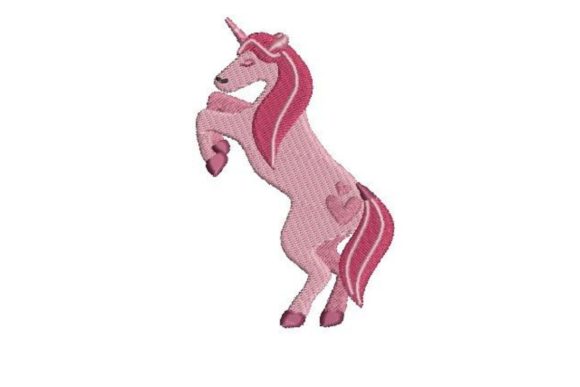
Unicorn Rearing: A Seasonal Embroidery Review
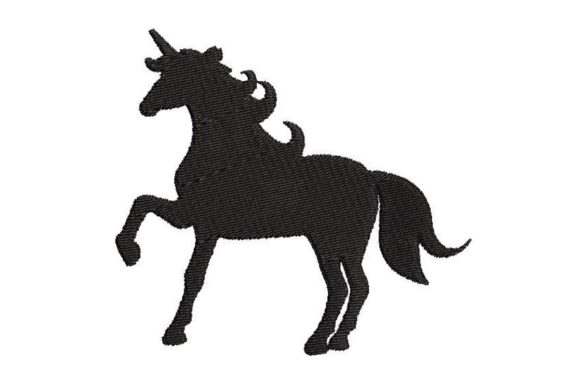
As an embroidery designer who spends countless hours digitizing and testing patterns for seasonal collections, I am always on the lookout for designs that bridge the gap between whimsical charm and commercial viability. When I first loaded the Unicorn Rearing file into my software, I was immediately struck by its potential for the upcoming holiday rush. This is not just another generic animal motif; it is a carefully crafted piece that captures the magic of Fairy Tales while remaining versatile enough for modern seasonal embroidery applications.
In this review, I will break down why this design works, where it shines in a retail setting, and what technical considerations every Etsy seller or small business owner needs to keep in mind before launching their next product drop.
The First Impression: Whimsy Meets Wearability
The immediate emotional tone of Unicorn Rearing is playful yet sweet. It avoids the overly complex, cluttered look that often plagues digital embroidery files, opting instead for clean lines and balanced proportions. For holiday shoppers, this translates to a design that feels festive without being overwhelming. It carries a nostalgic, storybook quality that appeals to parents looking for unique gifts for children, as well as adults who appreciate a touch of magical realism in their home decor.
The decorative style is adaptable. While it fits perfectly within the Fairy Tales category, its execution allows it to sit comfortably on contemporary items. Whether you are aiming for a rustic farmhouse vibe or a modern pastel aesthetic, the design’s structure supports various thread color palettes. This flexibility is crucial for creating a cohesive small shop product line that appeals to diverse customer bases during the high-pressure holiday shopping period.
Strategic Product Placement for Holiday Sales
To maximize revenue during the seasonal rush, you need products that sell themselves through visual appeal. Unicorn Rearing is exceptionally strong in several key categories. Here is how I would deploy this design in a real-world seasonal collection:
- Sweatshirt Embroidery: Placing this design on the left chest of a cozy fleece or cotton blend sweatshirt creates an instant bestseller. The rearing pose adds dynamic energy that looks fantastic on soft, textured fabrics.
- Tote Bag Design: Canvas totes are huge for holiday gift-giving. The design scales well for a central placement on a tote, making it a perfect handmade gift for teachers, librarians, or young readers.
- Kitchen Towel Embroidery: For home decor enthusiasts, embroidering this unicorn on flour sack towels adds a charming, personalized touch. It transforms a simple utility item into a keepsake.
- Pillow Cover Accents: A smaller version of the design on a velvet or linen pillow cover can anchor a child’s bedroom theme or add a whimsical pop to a living room sofa.
- Embroidered Patch: If you offer iron-on or sew-on patches, this design’s clear outlines make it ideal for backing. Patches are low-cost, high-margin items that serve as excellent impulse buys at craft fairs.
When creating your printable mockup or social media previews, focus on lifestyle shots. Show the unicorn on a child wearing pajamas, or on a tote bag filled with holiday gifts. Context drives emotion, and emotion drives sales.
Technical Considerations for Professional Results
While the artistic merit of Unicorn Rearing is high, successful commercial embroidery relies on technical precision. Before you list your finished product, you must address several practical factors to ensure customer satisfaction and reduce returns.
Hoop Size and Stitch Density
One of the first things to check is the recommended hoop size. Since the specific dimensions are not provided in the basic description, you must verify this in the file details. If the design is large, it may require a 5x7 or 6x10 hoop, which limits its use on smaller items like baby socks or pocket squares. Always test the stitch density on your specific machine. High-density areas can cause puckering, especially on lighter fabrics like those used for pajamas or bedsheets. If the density is too high for your fabric choice, consider using a heavier stabilizer or adjusting the tension.
Fabric Texture and Stabilizer Choice
The success of any machine embroidery design depends heavily on the interaction between thread, needle, and fabric. For sweatshirt embroidery, a cut-away stabilizer is essential to support the weight of the stitches on stretchy material. For kitchen towels or linens, a tear-away might suffice, but test first. The fabric texture also influences how the thread colors appear. Metallic threads can add a magical shimmer to the unicorn’s horn or mane, but they are prone to breaking. If you use metallics, slow down your machine speed and use a larger eye needle.
Color Placement on Dark Fabrics
If you plan to offer this design on dark navy or black apparel, be cautious. Light pastel threads typical of unicorn designs may not pop against dark backgrounds without an underlay stitch or a white base layer. Ensure your digital embroidery file includes proper underlay settings, or manually adjust your stitching sequence to prevent the background fabric from showing through the lighter colors.
Enhancing Brand Consistency and Customer Trust
Using a high-quality design like Unicorn Rearing does more than just decorate a product; it builds your brand. Consistent use of well-digitized patterns signals professionalism. When customers receive a personalized gift that is neatly stitched, with no loose threads or misaligned elements, they are more likely to leave positive reviews and return for future purchases.
During the holiday season, engagement is key. Use this design to create limited-edition bundles. For example, offer a "Magical Morning" set featuring a mug rug and a matching pillow cover. Or create a "Storytime Companion" bundle with a tote bag and a book sleeve. These curated collections increase the perceived value of your items and encourage higher average order values.
Final Designer Notes for Seasonal Success
Before you launch your holiday campaign featuring Unicorn Rearing, take these final steps to ensure a smooth production process:
- Verify Licensing: Confirm that your purchase of the embroidery file includes commercial licensing rights. Never assume; always check the terms to protect your business.
- Test on Multiple Fabrics: Stitch out samples on cotton, polyester, and blends. Note which fabrics yield the crispest details.
- Check Small Details: Zoom in on the finished sample. Are the eyes symmetrical? Is the mane distinct? Tiny errors can detract from the overall quality.
- Plan Your Palette: Create three distinct color variations (e.g., Pastel Dream, Bold & Bright, Monochrome Elegant) to appeal to different tastes.
In conclusion, Unicorn Rearing is a robust addition to any seasonal catalog. It balances the enchanting allure of Fairy Tales with the practical demands of modern Embroidery production. By paying attention to technical details and leveraging its versatility across various products, you can create a standout collection that delights customers and boosts your holiday sales.