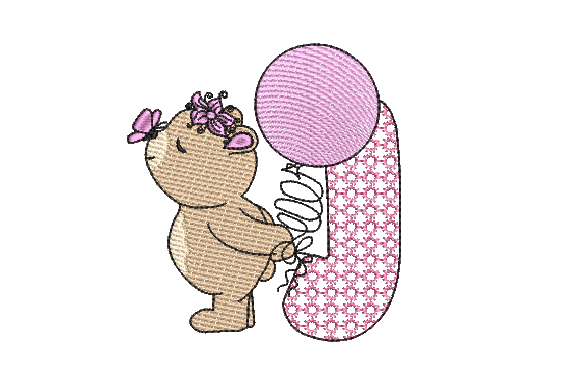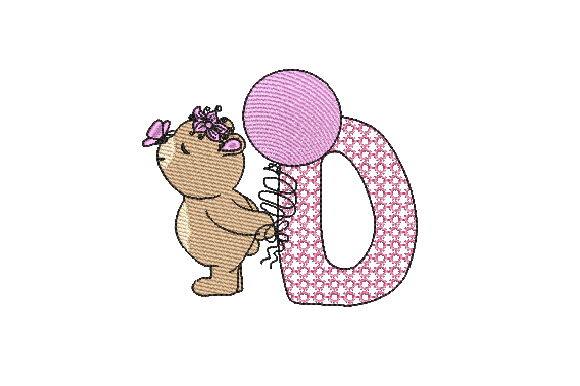
D Girl Teddy: A Designer’s Review for Business Merch
As an embroidery designer who has spent years digitizing files for boutique brands and large-scale uniform companies, I approach every new machine embroidery design with a critical eye. It is not just about whether the image looks cute on a screen; it is about how that design performs under the needle, how it wears after fifty washes, and how it elevates a brand’s perceived value. Recently, I reviewed the D Girl Teddy, a piece from an alphabet set that promises a hand-drawn aesthetic with efficient stitching. For small business owners, Etsy sellers, and apparel decorators, understanding the practical application of this design is crucial before adding it to your digital library.
First Impressions: The Hand-Drawn Aesthetic
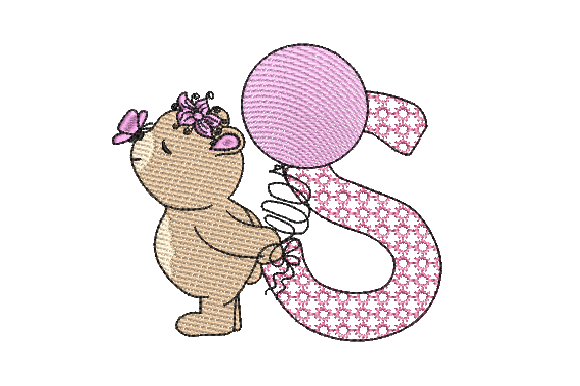
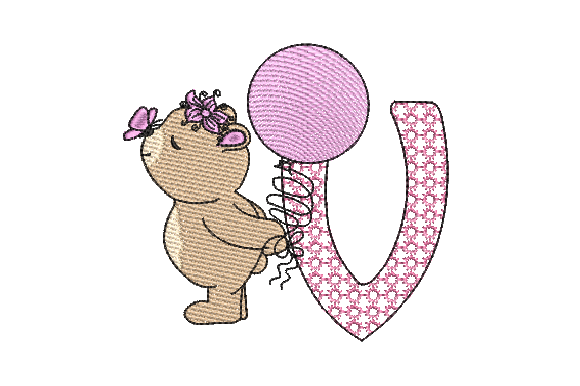
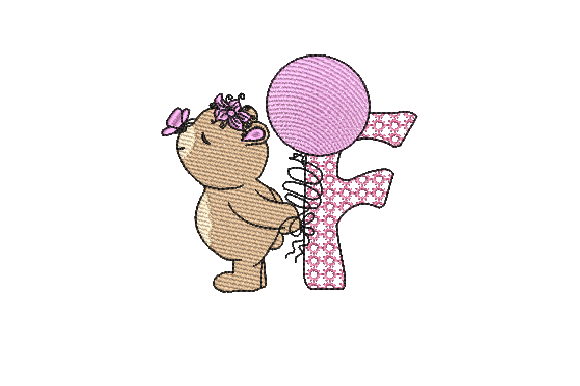
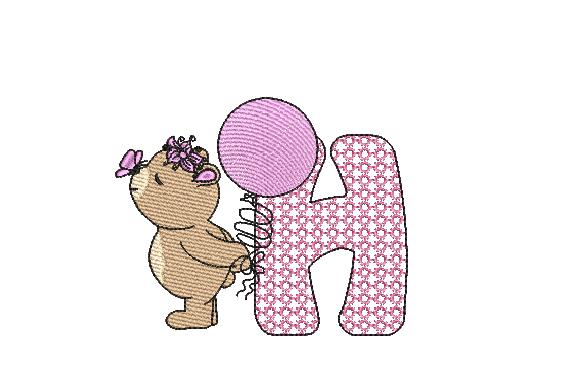
The immediate appeal of D Girl Teddy lies in its visual personality. In a market saturated with rigid, vector-perfect logos, there is a growing demand for designs that feel organic and approachable. This design is described as a beautiful sketch, lightly filled with little to no underlay. From a branding perspective, this signals warmth. It does not scream "corporate entity"; instead, it whispers "handmade care."
For businesses in the bakery, florist, or pet care sectors, this aesthetic is gold. It aligns perfectly with brands that want to project friendliness and authenticity. However, as a designer, I look past the charm to the structure. The lack of heavy underlay suggests a design intended for speed and softness, which is ideal for items that touch the skin, such as baby clothes or lightweight tote bags. Yet, this lightness requires careful handling during production to ensure the final product does not look flimsy.
Strategic Applications for Small Business Merchandise
When considering where to deploy D Girl Teddy, we must look at versatility. This is not just a decorative element; it is a potential cornerstone for small business merch. Here is how I envision this design working in real-world commercial embroidery projects:
- Branded Patches: This is perhaps the strongest use case. Because the design is lightly filled, it creates a flexible patch that does not stiffen the fabric excessively. Imagine a leather or canvas patch on a cafe apron or a denim jacket. The sketch-like quality allows it to blend seamlessly with rustic or vintage branding.
- Cap Embroidery: Front-panel cap embroidery requires designs that are not too tall and have manageable stitch density. D Girl Teddy, being part of an alphabet set, likely scales well. However, curved surfaces distort designs. I recommend testing this on a curved hoop to ensure the "hand-drawn" lines do not appear warped.
- Tote Bag Design: Canvas totes are a staple for boutiques and markets. A lightly filled design stitches out quickly, reducing production time per unit. This efficiency is vital for makers who produce high volumes of custom apparel and accessories.
- Apron Embroidery: For staff uniforms in creative studios or bakeries, chest-pocket logos are standard. This design offers a major impact without the bulk. It avoids the "cardboard effect" that heavy satin stitches can create on thin apron fabrics.
Technical Considerations and Production Notes
While the description notes that the design is quick to stitch with a major impact, experienced embroiderers know that "quick" often means "less forgiving." The mention of "no or little underlay" is a double-edged sword. Underlay stabilizes the fabric and prevents sinking. Without it, the top threads may sink into plush fabrics like towels or fleece, losing definition.
Here are my practical notes for integrating this digital embroidery file into your workflow:
- Fabric Texture Matters: Test this design on smooth cotton or poly-cotton blends first. On textured fabrics, the light fill might not provide enough coverage. If you are embroidering on terry cloth or heavy wool, you may need to add a topping stabilizer to keep the sketch lines crisp.
- Stabilizer Selection: Since the underlay is minimal, your choice of backer is critical. Use a cut-away stabilizer for garments that will be washed frequently to prevent puckering. For temporary items or patches, a tear-away might suffice, but test for stability first.
- Thread Color Contrast: Sketch-style designs rely on line definition. Ensure high contrast between your thread color and the fabric. A dark thread on a dark uniform will vanish. Use this design to highlight brand colors, but always verify visibility in low-light environments if used for workwear.
- Scale and Hoop Size: Before committing to a full production run, stitch out a sample at the smallest size you intend to sell. Does the detail hold up? If the lines merge, the design is too small for that specific hoop size and fabric combination. Always confirm the recommended hoop size in the file details, as this was not explicitly provided in the initial description.
Enhancing Brand Identity and Customer Trust
Why does the choice of a teddy bear motif matter for brand identity? In the context of an alphabet set, the "D" likely integrates with the bear graphic. This combination creates a memorable visual anchor. For handmade brands, consistency is key. Using D Girl Teddy across various touchpoints—packaging tags, social media graphics, and physical products—creates a cohesive narrative.
Customers associate high-quality embroidery with premium value. A sloppy, puckered logo detracts from trust. Conversely, a clean, well-executed sketch design suggests attention to detail. When a customer receives a tote bag or shirt with this emblem, the tactile experience of the embroidery reinforces the quality of the finished product. It transforms a simple item into a keepsake.
Where to Exercise Caution
Not every application is suitable. I advise caution when using this design on:
- High-Stress Areas: Avoid placing it on areas subject to constant friction, such as the inner elbow of a work shirt, unless reinforced properly.
- Very Small Sizes: Intricate sketch lines can break down if scaled down too far. If the design loses its "hand-drawn" clarity, it just looks like noise.
- Dark Uniforms with Low-Contrast Thread: As mentioned, visibility is paramount. Do not sacrifice legibility for subtlety in professional settings.
Final Verdict for Commercial Use
The D Girl Teddy is a promising asset for designers looking to add a touch of whimsy and warmth to their portfolio. Its efficiency in stitching makes it cost-effective for commercial embroidery runs, while its aesthetic appeals to the booming market for personalized, handmade goods. However, success depends on technical execution.
Before selling items featuring this design, create a printable mockup for client approval, but always follow up with a physical stitch-out. Check the license terms carefully to ensure commercial use is permitted for the specific file format you purchase. Verify the stitch count and density recommendations from the vendor, as these details were not included in the brief description. By treating this design as a strategic business tool rather than just a decorative clipart, you can leverage D Girl Teddy to enhance your brand’s visual consistency and drive engagement with your target audience.
Remember, in the world of Teddy Bears and Embroidery, the devil is in the details. A well-chosen design, executed with precision, becomes more than thread on fabric; it becomes a symbol of your brand’s promise.