S Girl Teddy: A Designer’s Review for Real Projects
As a designer who spends more time staring at stitch simulations than I do sleeping, I have learned to be skeptical of "quick and easy" claims. We have all been burned by designs that promise simplicity but deliver a tangled mess of thread breaks and puckered fabric. However, when I first loaded the S Girl Teddy file into my software, the preview told a different story. This is not just another generic clipart conversion; it is a thoughtful piece of digital art designed with the realities of machine embroidery in mind.
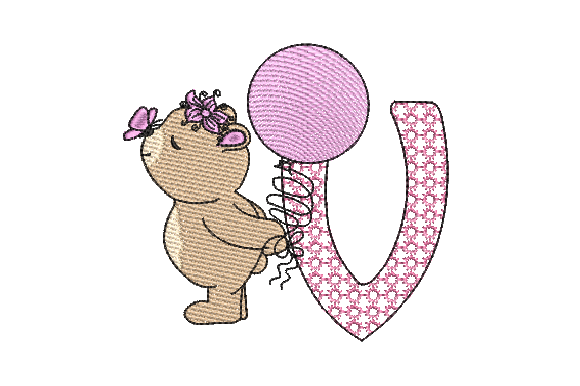
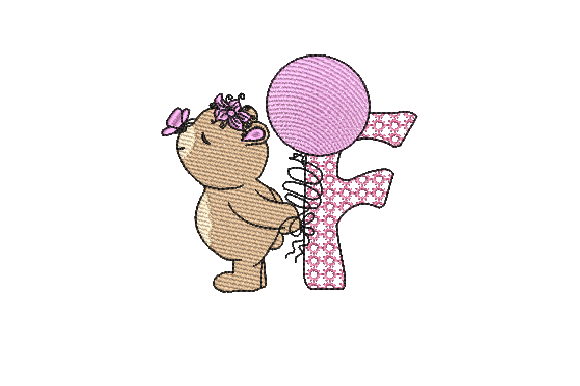
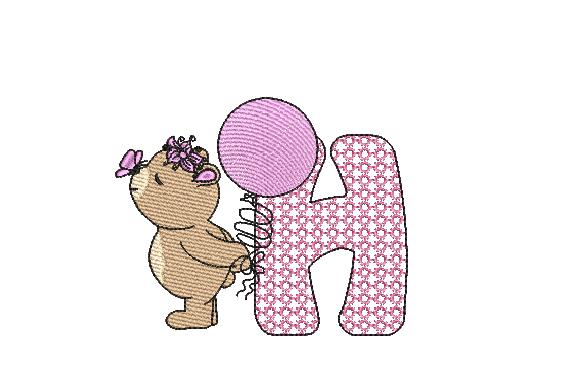
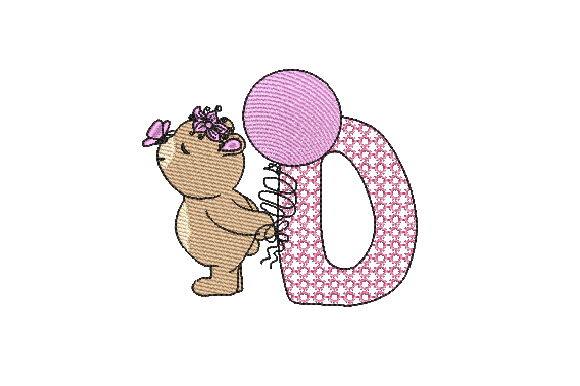
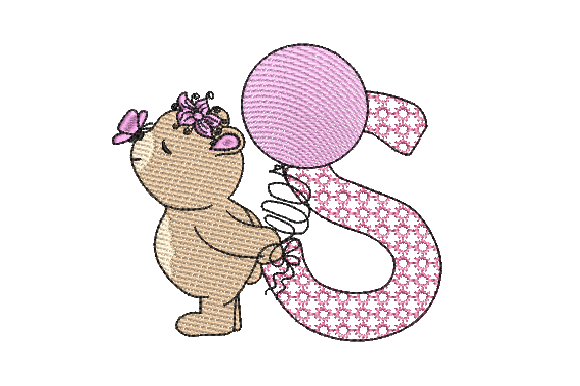
The product description highlights that this is an alphabet set featuring a beautiful sketch style, lightly filled with minimal underlay. For those of us running small shops or fulfilling custom orders, these technical details matter immensely. Let’s break down how this design performs in the real world, beyond the glossy marketing images.
The Aesthetic: Hand-Drawn Charm Meets Stitch Efficiency
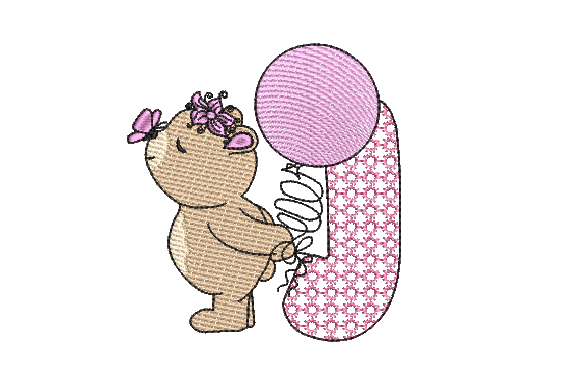
The immediate appeal of S Girl Teddy lies in its visual personality. It mimics the warmth of a hand-drawn sketch, which creates a soft, approachable mood. In an era where digital perfection can feel cold, this imperfection is a feature, not a bug. The lines are organic, and the fill is sparse. This "lightly filled" approach is crucial because it allows the texture of the base fabric to show through. Instead of creating a heavy, plastic-like patch of thread, the design breathes with the material.
From a thematic standpoint, this fits perfectly within the Teddy Bears category but elevates it. It is not childish in a cartoonish way; it is whimsical and tender. This makes it versatile. It works for baby items, yes, but it also has a nostalgic quality that appeals to adult consumers looking for cozy, handmade aesthetics. When I visualize this on a product, I do not see a cheap souvenir. I see a boutique item that commands a higher price point because of its artistic integrity.
Real-World Application: From Tote Bags to Sweatshirts
To truly evaluate an embroidery design, you must imagine it on actual products. I recently considered a project for a client wanting personalized tote bags for a spring market. Heavy canvas totes are notoriously difficult to embroider with dense designs because the fabric is thick and prone to shifting. Because S Girl Teddy uses little underlay and light fill, it is an ideal candidate for this application. The reduced stitch count means less pull on the fabric, resulting in a cleaner finish without the need for excessive hooping tension.
Consider also sweatshirt embroidery. Fleece and French terry are plush and textured. A dense satin stitch often sinks into the pile, losing definition. The sketch-style lines of this design sit nicely on top of the texture. The open areas prevent the garment from becoming stiff or board-like, which is a common complaint with heavily embroidered apparel. Whether you are creating custom apparel for a boutique or making personalized gifts for friends, the drape of the fabric remains intact.
For Etsy sellers and craft business owners, speed is currency. The description notes that it is "quick to stitch out with a major impact." In a production environment, saving ten minutes per unit adds up to hours of saved labor per week. This efficiency allows you to offer competitive pricing while maintaining healthy margins. It is a practical asset for anyone selling small shop products where turnaround time is critical.
Technical Considerations and Fabric Compatibility
While the design is forgiving, it is not magic. You must still apply sound engineering principles. Because the fill is light, contrast is key. If you are stitching on a dark fabric, ensure your thread color provides enough distinction. A white thread on black cotton will pop beautifully, highlighting the sketch lines. However, a tonal stitch (like beige on cream) might get lost if the lighting is poor. Always test your thread colors against your chosen background.
Fabric texture plays a significant role here. On smooth cotton or linen, the sketch lines will appear crisp and defined. On highly textured fabrics like toweling or rough wool, the finer details might blend into the weave. I recommend using a cut-away stabilizer for stretchy knits to prevent distortion, even with low-density designs. For woven fabrics like tote bags or aprons, a tear-away stabilizer is usually sufficient, but always hoop tightly to prevent registration issues.
Be cautious with very small hoop sizes if you are combining the teddy with other elements of the alphabet set. While the teddy itself is compact, crowding it with text requires careful layout planning. Ensure there is adequate breathing room between elements. If you are using this for baby embroidery on onesies, remember that infants move. A design that is too large or stiff can be uncomfortable. The lightweight nature of S Girl Teddy makes it safer for sensitive skin compared to heavy applique or dense fill alternatives.
Commercial Viability and Brand Consistency
For commercial embroidery projects, consistency is vital. When a customer buys a handmade product from your store, they are buying into your brand aesthetic. This design supports a brand identity that values authenticity, warmth, and quality. It does not look mass-produced. This perception of value is what drives repeat customers and positive reviews.
When creating printable mockups or digital embroidery file previews for your online store, this design photographs well. The sketch style translates effectively to two-dimensional images, helping potential buyers visualize the final result. This reduces the gap between expectation and reality, lowering return rates and increasing customer satisfaction.
However, before you list this as a finished product or use it in commercial goods, you must verify the license terms. Most designers allow you to sell physical items made with their files, but restrictions vary. Check whether you can use it for design assets or if it is strictly for physical goods. Protecting your business legally is just as important as the stitching quality.
Practical Designer Notes for Best Results
To get the most out of this machine embroidery design, follow these practical steps:
- Test on Scrap First: Never run a new design on your final garment without a test stitch-out. Use the same fabric and stabilizer combination you plan to use for the final product.
- Check Stitch Density: Even though it is described as lightly filled, verify the density settings in your software. Adjust if necessary for delicate fabrics.
- Contrast Matters: Use high-contrast thread colors to emphasize the hand-drawn sketch effect. Low contrast may make the design look muddy.
- Hoop Size Confirmation: Ensure your hoop is large enough to accommodate the design comfortably, especially if adding monograms or additional text from the alphabet set.
- Inspect Small Details: Zoom in on the digitizing. Look for any unnecessary jump stitches or loose ends that might need trimming post-production.
- Mockup Testing: Create black and white mockups to ensure the design holds its shape and recognizability without color reliance.
In conclusion, S Girl Teddy is a strong addition to any designer’s library. It balances aesthetic appeal with production efficiency. It respects the fabric it is stitched on, avoiding the heaviness that plagues many modern designs. For the hobbyist, it offers a satisfyingly quick project with professional results. For the professional decorator, it offers reliability and speed. It is a tool that, when used with intention, can elevate your embroidery project from simple decoration to meaningful art.
Whether you are creating holiday embroidery for gifts or stocking your Etsy shop with year-round basics, this design delivers on its promise. It is a reminder that in embroidery, sometimes less is indeed more. By choosing designs that prioritize clarity and fabric harmony, you build trust with your customers and pride in your craft. So, thread up your machine, choose your stabilizer wisely, and let this charming teddy bring a touch of hand-drawn warmth to your next creation.