Dog Face: A Designer’s Review for Branded Merch
As an embroidery designer who has spent years digitizing and testing machine embroidery designs for commercial use, I approach every new file with a critical eye. It is not enough for a design to simply look cute on a screen; it must perform flawlessly under the needle when applied to real-world products. Recently, I evaluated the Dog Face embroidery design, a digital asset marketed for its versatility across various fabrics. For small business owners, Etsy sellers, and apparel decorators, understanding how a specific motif translates into a tangible product is crucial for maintaining brand integrity and customer satisfaction.
First Impressions and Visual Personality
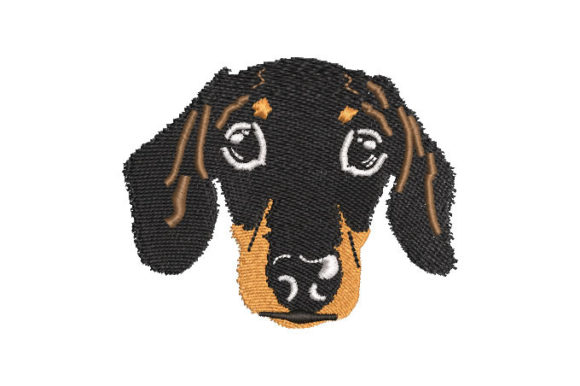
The immediate appeal of the Dog Face design lies in its adaptability. The product description notes that it is "very beautiful embroidered with any type of fabric," which suggests a balanced stitch structure that does not rely on extreme density or fragile, floating elements. In the context of the Dogs category, this design avoids the overly cartoonish traps that can sometimes cheapen a brand’s aesthetic. Instead, it presents a professional, friendly, and approachable visual personality.
For a boutique or a creative studio, this balance is essential. A design that is too intricate may lose definition on textured materials, while one that is too simple might fail to capture attention. Dog Face appears to strike a middle ground, offering enough detail to be recognizable as a distinct character or logo accent without becoming a stitching nightmare. This makes it an ideal candidate for businesses looking to inject warmth and personality into their small business merch without sacrificing professionalism.
Real-World Applications for Small Businesses
When considering where to deploy this machine embroidery design, the possibilities extend far beyond simple decoration. For local businesses such as cafés, bakeries, or pet brands, consistency in branding is key. Here is how Dog Face performs in specific commercial scenarios:
- Embroidered Patches: This is perhaps the strongest use case. A well-digitized dog face works exceptionally well as a standalone patch. It can be ironed or sewn onto denim jackets, canvas totes, or even laptop sleeves. For pet groomers or veterinary clinics, offering branded patches as add-ons creates a sense of community among customers.
- Staff Uniforms and Aprons: For a bakery or a florist, an apron embroidery featuring a subtle dog motif can soften the professional look of a uniform. It signals to customers that the business is family-friendly and approachable. However, placement is critical; a chest-left position is standard for professionalism, while a larger back placement might suit a more casual, creative vibe.
- Cap Embroidery: Caps are high-visibility items. The curved surface of a cap front requires a design that is not too wide. If Dog Face maintains its proportions at a smaller scale, it serves as an excellent logo accent for staff hats or retail merchandise.
- Tote Bag Design: Canvas tote bags are staples for handmade brands. Embroidering this design on a tote adds significant perceived value compared to a printed graphic. The texture of the thread against the fabric creates a premium, tactile experience that encourages customers to keep and reuse the bag.
Navigating Technical Challenges and Fabric Constraints
While the description claims compatibility with "any type of fabric," experienced embroiderers know that material choice dramatically affects the finished product. There are specific scenarios where Dog Face should be used with caution.
Stitch density is a primary concern. If the design has high density, it may cause puckering on lightweight fabrics like thin cotton or silk blends. Conversely, on heavy textures like terry cloth or thick fleece, fine details might get lost. I recommend always running a test stitch-out on the exact fabric you intend to use for production. Additionally, when working with dark uniforms, ensure that the recommended thread colors provide sufficient contrast. A lack of contrast can render the design invisible from a distance, defeating the purpose of branding.
Another critical factor is the hoop size. Since the product comes with multiple embroidery files, it is likely optimized for different hoop dimensions. However, if you attempt to resize the design significantly beyond its intended dimensions, you risk distorting the aspect ratio or creating gaps in the stitching. Always check the file specifications before loading them into your machine.
Impact on Brand Identity and Customer Trust
In the world of commercial embroidery, every stitch contributes to your brand identity. Using a generic, poorly digitized design can signal low quality, whereas a crisp, clean execution of Dog Face enhances perceived value. For handmade product sellers, the embroidery acts as a seal of authenticity. It tells the customer that time and care were invested in the item.
Consistency is vital. If you use Dog Face on your packaging, ensure it aligns visually with your other design assets, such as your logo and typography. This visual consistency builds recognition and trust. Customers are more likely to engage with a brand that presents a cohesive image across all touchpoints, from their website to the embroidered label on a purchased item.
Practical Designer Notes for Production
Before integrating this digital embroidery file into your production workflow, consider these practical steps to ensure quality control:
- Test in Black and White: Before committing to colored threads, stitch the design out in black thread on white fabric. This reveals the true structure and spacing of the stitches without the distraction of color. It helps identify any potential registration issues or dense areas that might need editing.
- Check Scalability: Verify if the design holds up at the smallest size you intend to use, such as on a cuff or a small tag. Details that look clear at four inches may become a blob at one inch.
- Select the Right Stabilizer: The choice of stabilizer is just as important as the thread. For stretchy fabrics like jersey tees, a cut-away stabilizer is often necessary to prevent distortion over time. For woven fabrics like canvas or denim, a tear-away may suffice, but always test first.
- Create a Printable Mockup: Use digital tools to place the design on photos of your actual products. This allows you to visualize the scale and placement before wasting thread and fabric. It is also a valuable tool for client approval if you are doing custom work.
- Confirm Licensing: Although the design is marketed for broad use, always confirm the commercial licensing terms included with the file. Ensure you have the right to sell items featuring Dog Face if that is your business model.
Final Verdict for Merch Creators
The Dog Face embroidery design offers a versatile solution for businesses looking to add a touch of personality to their merchandise. Its strength lies in its potential for broad application, from rugged outdoor gear to delicate boutique accessories. However, its success depends entirely on the executor’s attention to detail. By respecting the limitations of fabric texture, choosing appropriate stabilizers, and testing rigorously, you can transform this digital file into a powerful tool for brand engagement.
For Etsy sellers and crafters, this design represents an opportunity to differentiate their offerings in a crowded market. For larger enterprises, it provides a consistent visual element that can be scaled across various product lines. Ultimately, the value of Dog Face is not just in the image itself, but in how it is integrated into a thoughtful, high-quality production process. When executed well, it elevates the humble embroidered item into a cherished piece of branded memorabilia.