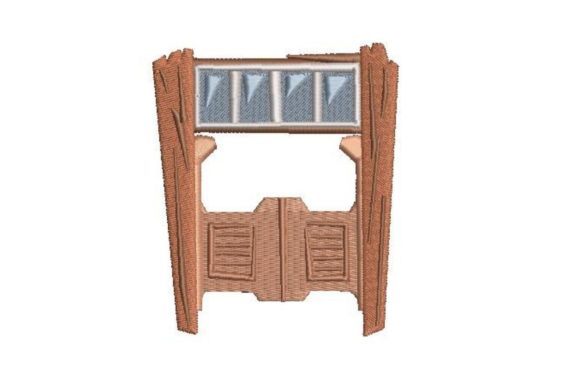
Saloon Door: A Designer’s Review for Small Business Merch
As an embroidery designer who has spent years digitizing and testing files for commercial use, I approach every new machine embroidery design with a critical eye. It is not just about whether the image looks pretty on a screen; it is about how it performs under the needle, how it holds up after washing, and most importantly, how it serves the brand identity of the small business using it. Recently, I reviewed the Saloon Door design, categorized under Cities within the Embroidery niche. My goal was to determine if this file is a viable asset for small business merch, custom apparel, and branded patches.
The product description promises a "very well digitized design" that is "easy to embroider" and adds a "cheerful touch." For a business owner, these are significant claims. Ease of embroidery translates directly to lower production time and fewer machine errors, while a cheerful aesthetic can drive customer engagement. In this review, I will break down how Saloon Door functions in real-world applications, from café aprons to boutique tote bags, and what you need to know before adding it to your digital embroidery file library.
First Impressions: Visual Personality and Brand Fit
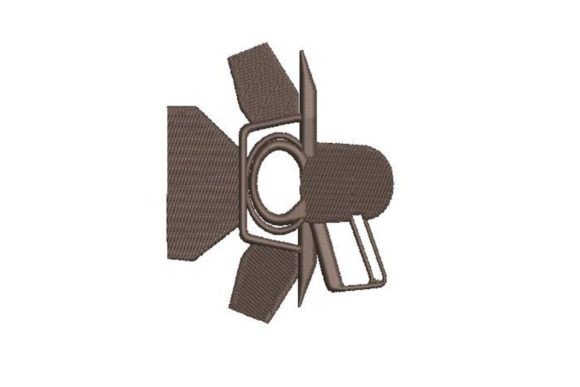
The title Saloon Door immediately evokes a specific atmosphere. It suggests something rustic, welcoming, and perhaps a bit playful or nostalgic. When I loaded the file into my editing software, the first thing I looked for was clarity. Does the design read well at a glance? For small business owners, especially those in the hospitality or retail sectors, visual consistency is key. This design feels less like a corporate logo and more like a decorative accent that enhances a handmade product.
The "cheerful touch" mentioned in the description is crucial for brands that want to appear approachable. Think of a local bakery, a florist, or a pet brand. These businesses thrive on warmth and community connection. Saloon Door fits naturally into this narrative. It does not scream "luxury" or "minimalist modern," but rather "crafted with care." This distinction matters when you are deciding where to place the design. It is ideal for brands that want to emphasize their handmade roots or local charm.
Real-World Applications for Small Business Merch
The true test of any embroidery file is its versatility. I evaluated Saloon Door across several common merchandise items to see where it shines and where it might struggle.
- Embroidered Patches: This is perhaps the strongest use case. A well-digitized design allows for clean edges, which are essential for patch production. Whether you are creating iron-on patches for customer gifts or sew-on badges for staff uniforms, the design’s structure supports clear definition. Ensure you check the stitch density to avoid bulkiness if the patch is small.
- Apron Embroidery: For cafés and boutiques, branded aprons are a walking advertisement. Saloon Door works beautifully as a chest logo or a pocket accent. The cheerful nature of the design aligns perfectly with the friendly service expected in these environments.
- Tote Bag Design: Canvas totes are a staple for eco-conscious brands. The design can serve as a central focal point. However, because canvas has a distinct fabric texture, you must ensure the stitch count provides enough coverage without distorting the material.
- Cap Embroidery: Using this on the front of a cap requires caution. Curved surfaces can distort designs if they are too wide or complex. If Saloon Door has intricate details, it may lose clarity on a small cap panel. It is better suited for the side or back of a cap where the surface is flatter.
For Etsy sellers and crafters, this design can also be used to create unique product packaging accents or limited-edition event merch. The ability to offer a printable mockup to clients before production is a huge advantage, allowing them to visualize how the design assets will look on their specific products.
Technical Considerations and Production Notes
While the description states the design is "easy to embroider," experienced decorators know that context matters. Here are my practical notes for ensuring a high-quality finished product.
Stitch Density and Fabric Texture: Always test the design on the actual fabric you intend to use. A dense stitch pattern on a lightweight shirt can cause puckering, while the same pattern on a heavy denim jacket might look perfect. Use the appropriate stabilizer—cut-away for stretchy fabrics and tear-away for stable woven materials. Since the design comes in multiple embroidery file formats, choose the one that best matches your machine’s capabilities to optimize stitch density.
Thread Colors and Contrast: The visual impact of Saloon Door relies heavily on thread color contrast. I recommend testing it in black and white first. If the design loses its shape without color, it may rely too much on shading rather than structural stitching. For dark uniforms, consider using a lighter thread palette to ensure the design pops. For a rustic look, earth tones like browns, creams, and muted greens can enhance the "saloon" aesthetic.
Hoop Size and Placement: Confirm the hoop size required for the design. If it is large, you may need to reposition it on smaller items like caps or children’s apparel. Always create a mockup for client approval to confirm placement. This step prevents costly mistakes and ensures the design aligns with the brand’s visual identity.
Impact on Brand Identity and Customer Trust
Why does the choice of a single design matter? Because every stitch contributes to brand recognition. Using a professional, well-digitized file like Saloon Door signals quality. Sloppy embroidery with loose threads or poor registration undermines customer trust. Conversely, a crisp, clean design elevates the perceived value of the item.
For small business merch, consistency is vital. If Saloon Door becomes part of your seasonal collection or staff uniform, it helps create a cohesive look. Customers begin to associate that specific visual style with your brand. This recognition drives buyer engagement and loyalty. Whether it is on a coffee sleeve, a staff shirt, or a promotional tote, the design acts as a silent ambassador for your business.
Final Verdict and Licensing Advice
The Saloon Door design appears to be a solid addition to any designer’s toolkit, particularly for those targeting the hospitality, retail, or handmade markets. Its cheerful tone and reported ease of use make it accessible for both novice and experienced embroiderers. However, do not assume universal compatibility. Always verify the specific file formats included to ensure they work with your software. Check the commercial licensing terms explicitly. Just because a file is labeled for "creative projects" does not automatically grant unlimited rights for mass-produced commercial embroidery. Confirm these details before launching any product line.
In summary, if you are looking to add a touch of rustic charm to your custom apparel or branded patches, Saloon Door is worth testing. Start with a sample run on your primary fabric, adjust your stabilizer and tension as needed, and watch how this design brings a cheerful, professional finish to your small business merchandise.