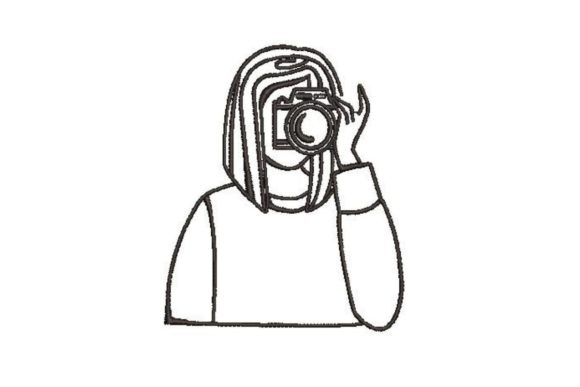
Reviewing Photographer Line Art Drawing for Sweatshirts
As an embroidery designer who has spent years digitizing and testing designs for boutique apparel, I approach every new machine embroidery design with a critical eye. It is not just about whether the image looks cute on a screen; it is about how that digital file translates into thread on fabric. Recently, I had the opportunity to evaluate the Photographer Line Art Drawing for an upcoming limited-edition sweatshirt drop for a small online shop. This review breaks down my professional assessment of this piece, focusing on its viability for commercial use, aesthetic appeal, and technical execution.
First Impressions: Mood and Aesthetic Appeal
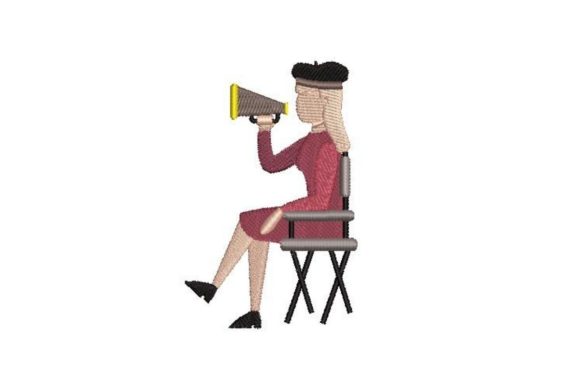
The first thing that strikes you about the Photographer Line Art Drawing is its simplicity. In the world of Embroidery, less is often more, especially when working with textured garments like fleece or French terry. The silhouette of a photographer offers a clean, recognizable shape that communicates passion and hobby without being overly cluttered. For a boutique brand targeting creative entrepreneurs or photography enthusiasts, this design hits the right note of minimalism.
The mood is decidedly casual yet sophisticated. It does not scream for attention with loud colors or complex shading; instead, it relies on the strength of its outline. This makes it versatile. It feels premium because it avoids the "cheap" look of over-saturated, dense stitching that can stiffen a garment. Instead, it offers a cheerful touch that aligns perfectly with lifestyle branding. Whether you are aiming for a rustic vibe or a modern, clean aesthetic, this line art adapts well because it serves as a subtle accent rather than a dominating graphic.
Fabric Compatibility and Color Strategy
When preparing a sweatshirt embroidery project, fabric choice is paramount. I tested the visual potential of this design across several common apparel bases. On neutral sweatshirts, such as heather grey or oatmeal, the design shines when paired with high-contrast thread colors. A deep charcoal or black thread creates a sharp, professional look that mimics the feel of a printed graphic but with the tactile luxury of stitched thread.
For dark fabric, such as navy or black hoodies, the challenge shifts to visibility. Here, the Photographer Line Art Drawing requires careful selection of thread colors. White, silver, or even a vibrant mustard yellow can pop beautifully against the dark background, turning the silhouette into a statement piece. However, one must be cautious with very light threads on dark fabrics if the stitch count is low, as the fabric grain might show through. This is where the quality of the embroidery file matters; a well-digitized line art design will have sufficient underlay to prevent puckering and ensure the top stitches lay flat.
Pastel colors offer a different avenue. If you are creating a spring collection or targeting a feminine demographic, stitching this design in soft pink, mint, or lavender on a white or cream oversized hoodie creates a delicate, playful appearance. It transforms the Work category aesthetic into something more decorative and approachable, ideal for gifts or casual weekend wear.
Placement and Hoop Considerations
One of the strongest assets of this design is its scalability. Because it is line art, it remains readable even at smaller sizes. For a standard hoodie design, I recommend placing the silhouette on the left chest area. This is a classic placement that signals quality and restraint. It allows the wearer to showcase their interest in photography without it feeling like a uniform. The hoop size required is likely small, perhaps a 4x4 or 5x7 inch hoop, which makes it easy to fit on various garment sections without excessive re-hooping.
For a bolder look, consider sleeve accents. Placing a smaller version of the photographer silhouette on the cuff or upper sleeve adds a unique detail that customers love. It elevates the custom apparel from basic to bespoke. Alternatively, if the design file allows for enlargement without losing integrity, a centered back placement on an oversized sweatshirt can create a striking streetwear-inspired look. Always check the specific dimensions provided in the digital embroidery file package to ensure it fits your intended hoop.
Technical Execution and Durability
From a technical standpoint, line art designs are generally forgiving, but they demand precision. The stitch density must be balanced. If the density is too high, the line will look thick and rope-like, losing the elegance of the silhouette. If it is too low, the design may look sparse and unprofessional. As a designer, I look for smooth curves in the digitizing, particularly around the camera lens and the photographer's posture. Jagged lines are a telltale sign of poor auto-digitizing, so ensure you are sourcing from a reputable provider.
Stabilizer choice is critical for sweatshirts. Given the stretch and thickness of fleece, a cut-away stabilizer is usually the best choice for long-term durability. It supports the stitches during washing and wearing, preventing the design from sinking into the fabric texture. For a handmade product intended for sale, durability builds buyer trust. Customers need to know that the embroidery will not pucker or distort after the first wash. Testing a sample on your specific fabric blend is non-negotiable before launching a small shop product.
Commercial Value and Branding
Why choose the Photographer Line Art Drawing for your next collection? Because it tells a story. For an Etsy seller or a boutique owner, niche-specific designs help build a loyal community. Photography is a massive hobbyist market, and apparel that reflects this identity sells. This design acts as a badge of honor for creatives. It enhances brand identity by showing that your shop understands specific subcultures.
Furthermore, simple designs photograph exceptionally well for printable mockup previews and social media marketing. The clean lines stand out against the soft texture of a sweatshirt in photos, making your design assets look polished and professional. This visual recognition can drive customer engagement and increase the perceived value of the finished product. When a customer sees a clean, well-executed embroidered logo or icon, they associate it with higher quality compared to mass-produced screen prints.
Final Verdict for Designers
The Photographer Line Art Drawing is a solid addition to any designer’s library, particularly for those focusing on lifestyle and hobby-based apparel. It is versatile, aesthetically pleasing, and technically manageable for most home embroidery machines. However, always verify the technical specs. Check the recommended hoop size, confirm the file formats compatible with your machine, and review any license terms regarding commercial embroidery usage. By paying attention to thread contrast and stabilizer support, you can turn this simple silhouette into a standout piece in your boutique collection.