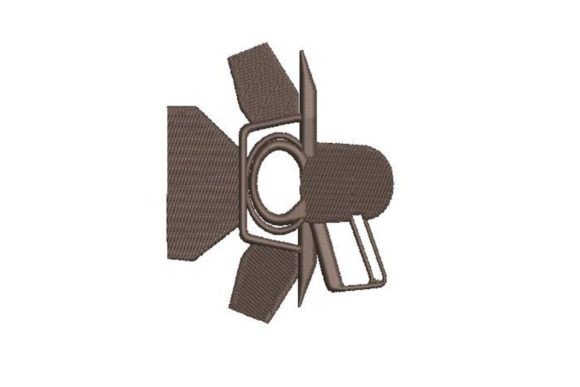
Floodlight Design Review for Business Merch
As an embroidery designer who has spent years digitizing and testing files for commercial use, I approach every new machine embroidery design with a critical eye. It is not just about whether a motif looks pretty on a screen; it is about how it performs on fabric, how it holds up in the wash, and how it elevates a brand’s perceived value. Today, I am reviewing Floodlight, a design positioned within the Work category, intended for those who want to showcase their passion and craftsmanship. The product description invites us to "Let the weekend begin with your favorite hobby," suggesting a blend of leisure and pride in one's artwork. For small business owners, this narrative is gold. It transforms a simple stitch pattern into a story about dedication and creativity.
First Impressions: Visual Personality and Brand Fit
The title Floodlight evokes imagery of illumination, focus, and clarity. In the context of Embroidery, this suggests a design that likely features strong lines, high contrast, or a radiant structure. When evaluating this for branded merchandise, the first question is always about tone. Does it feel professional? Based on the description emphasizing pride in artwork, Floodlight leans towards a premium, handmade aesthetic. It feels bold yet approachable, making it suitable for creative studios, boutique cafes, or artisanal brands that want to project warmth and expertise.
For a bakery or a florist, this design could serve as a subtle yet powerful marker of quality. It does not scream for attention like a neon sign; instead, it illuminates the product it adorns. This visual personality is crucial for brand identity. If your business relies on trust and personal connection, a design that feels "proud" and "artistic" reinforces that message every time a customer sees it on a tote bag or an apron.
Real-World Applications for Small Business Merch
The versatility of a digital embroidery file is determined by its adaptability across various substrates. Floodlight comes with multiple embroidery file formats, which is a significant advantage for shops using different machines. Here is how I envision this design performing in real commercial scenarios:
- Staff Uniforms and Aprons: For a coffee shop or creative studio, embroidering Floodlight on the chest pocket of an apron creates a polished look. It acts as a badge of honor for the staff, aligning with the "pride in your artwork" theme. Ensure you check the stitch density to prevent puckering on lighter cotton fabrics.
- Embroidered Patches: This is perhaps the most lucrative application. Creating iron-on or sew-on patches allows customers to buy a piece of your brand without purchasing a full garment. Floodlight would work well as a circular or shield-shaped patch, provided the details are not too fine for small diameters.
- Cap Embroidery: Placing the design on the front panel of a dad hat or trucker cap is a classic move for streetwear or casual brands. However, curved surfaces require careful digitizing. If the design has wide spans, ensure there is adequate underlay to prevent shifting.
- Tote Bag Design: Canvas totes are staples for eco-friendly brands. A larger version of Floodlight centered on a tote bag makes for a striking statement piece. The texture of canvas can handle higher stitch counts, allowing for richer detail.
Technical Considerations and Production Notes
While the artistic appeal is high, technical execution is where many small businesses stumble. Before running a full production batch of custom apparel, you must conduct rigorous testing. Here are my professional notes for handling Floodlight:
- Test in Black and White First: Color can distract from structural issues. Stitch the design in black thread on white fabric to inspect spacing, pull compensation, and registration. If it looks clean in monochrome, it will look great in color.
- Check Scalability: If you plan to use this as a small logo on a sleeve or a collar tag, verify that the smallest elements do not become indistinguishable blobs. Tiny lettering or intricate outlines often fail at sizes under two inches.
- Fabric Texture and Stabilizer: The description mentions it can be used with multiple formats, but it does not specify the ideal fabric. Always match your stabilizer to the fabric weight. Use a cut-away stabilizer for stretchy jerseys and a tear-away for stable wovens like denim or canvas.
- Hoop Size Constraints: Confirm the maximum hoop size required for the largest version of the design. Ensure your machine can accommodate it without re-hooping, which can lead to misalignment.
It is vital to note that the product description states the file "can be used with multip" but cuts off. This implies multiple uses or formats, but it is ambiguous. Do not assume universal compatibility. Check if the package includes DST, PES, JEF, and EXP formats if you work with various machine brands. Always confirm these details before promising a finished product to a client.
Impact on Brand Identity and Customer Trust
In the world of small business merch, consistency is key. Using a cohesive set of design assets helps build recognition. Floodlight can serve as a secondary logo or a thematic accent that complements your primary branding. When customers see consistent embroidery on their orders, it signals professionalism and attention to detail.
Furthermore, embroidered items have a tactile quality that printed graphics lack. The raised texture of the threads invites touch, creating a deeper sensory connection with the brand. This enhances the perceived value of the item. A simple t-shirt becomes a premium piece of merchandise when adorned with a well-executed embroidered design. This is particularly effective for Etsy sellers and crafters who compete on quality rather than just price.
Where to Use Caution
Not every design works everywhere. Avoid placing Floodlight on areas subject to extreme friction, such as the inner elbow of a work shirt, unless you use high-quality threads and dense stitching. Also, be cautious with dark uniforms. If the design relies on light thread colors, ensure you use a proper topping or stabilizer to prevent the dark fabric from showing through the stitches, which can muddy the visual impact.
Additionally, if the design includes fine text, avoid using it on textured fabrics like fleece or terry cloth, as the pile can obscure small details. In these cases, consider creating a simplified version of the design or using it only on smooth surfaces like nylon jackets or polished cotton.
Final Verdict for Commercial Use
Floodlight is a promising addition to any embroidery designer’s library, particularly for those targeting the lifestyle, hobby, and creative sectors. Its strength lies in its emotional resonance—connecting the act of creation with pride and leisure. For small business owners, it offers a versatile tool for enhancing commercial embroidery projects, from staff uniforms to customer gifts.
However, success depends on preparation. Create a printable mockup for client approval, test on actual fabric swatches, and verify all file formats. By treating this design as a strategic business asset rather than just decoration, you can leverage it to boost brand loyalty and increase the perceived value of your products. Remember, the goal is not just to stitch a design, but to illuminate your brand’s identity with every thread.