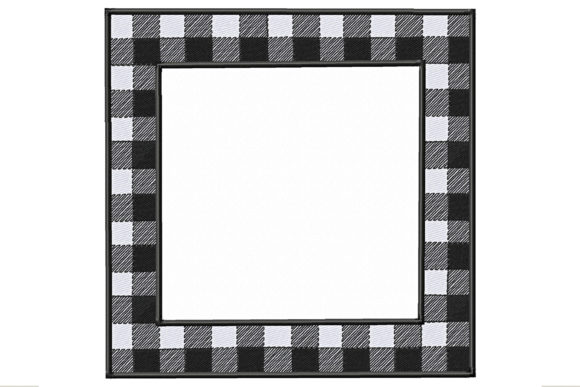
Reviewing the Plaid Frame for Monogram Design
As a designer who has spent countless hours staring at digitized patterns and troubleshooting thread breaks, I approach every new machine embroidery design with a mix of curiosity and skepticism. We have all been there: you download a file that looks pristine on the screen, only to find it turns into a puckered mess on actual fabric. That is why when I first loaded the Plaid Frame for Monogram into my software, I was not just looking at aesthetics. I was looking for structural integrity, stitch balance, and real-world usability.
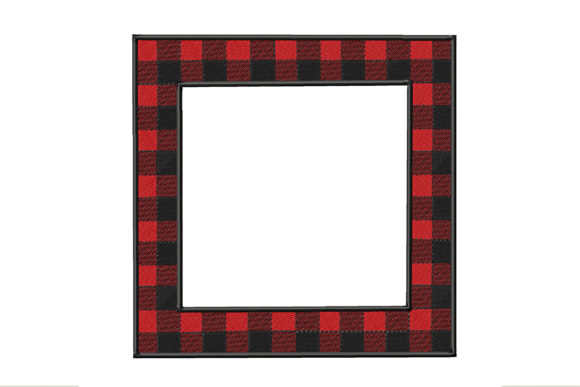
This particular design caught my eye because it bridges a gap that many digital assets fail to cross. It is not just a decorative border; it is a functional framing device. The plaid motif suggests warmth, tradition, and a touch of rustic charm, which makes it an excellent candidate for seasonal projects. While it fits naturally into the Christmas category due to its cozy, holiday-adjacent vibe, limiting it to December would be a mistake. This frame has the versatility to carry a project through autumn harvests, winter coziness, and even spring cottage-core trends.
First Impressions and Visual Personality
The immediate mood this design creates is one of curated comfort. The intersecting lines of the plaid pattern provide a structured grid that draws the eye inward, perfectly highlighting whatever monogram or text you place in the center. From a design perspective, the layout is balanced. It does not feel overly dense, which is crucial for maintaining the softness of the fabric underneath. The visual personality is stylish yet understated, making it ideal for home decor items like pillow covers or textile bags where subtlety often reads as more expensive than loud, flashy graphics.
What stands out is how the design handles the transition between the geometric plaid and the organic curves of typical monogram fonts. In many poorly digitized files, these two elements clash. Here, the spacing feels intentional. It allows the satin stitch work of a potential monogram to breathe without competing with the frame’s texture. For an Etsy seller or small shop owner, this means you can offer personalized items that look professionally finished rather than hastily assembled.
Real-World Application: The Tote Bag Test
To truly evaluate the Plaid Frame for Monogram, I imagined a specific client project: a custom canvas tote bag for a local boutique. The client wanted something that felt handmade but polished. I visualized stitching this frame onto a heavy-duty cotton canvas. The result? A sturdy, high-value handmade product.
The design works exceptionally well on textured fabrics. On a smooth polyester blend, the plaid lines might look too rigid, but on cotton, linen, or even a soft fleece, the stitches settle into the weave beautifully. This makes it a strong contender for tote bag design projects, aprons, and kitchen towels. Imagine a set of holiday-themed tea towels with family initials centered in this frame. It transforms a basic utility item into a cherished personalized gift.
For apparel, I would lean toward heavier garments. A sweatshirt embroidery project using this frame on the chest or sleeve cuff adds a preppy, classic touch. It is less suitable for thin, stretchy t-shirts unless you are using a very stable cut-away stabilizer, as the density of the plaid lines could cause pulling on lightweight knits. However, for a structured cap or a denim jacket patch, the rigidity of the design holds up well, providing a crisp outline that survives daily wear.
Technical Considerations for Stitchers
Before you commit to stitching this on a final product, there are practical factors to consider. Since the description notes that the embroidery file comes in multiple formats, you likely have options for different hoop sizes. Always check the specific dimensions provided by the seller. If you are working with a small 4x4 inch hoop, ensure the frame does not exceed the usable area, leaving room for your monogram.
Stitch density is another critical factor. Plaid patterns can become dense quickly if every line is filled. I recommend checking the stitch count in your software. If the density is high, use a tear-away or cut-away stabilizer depending on the fabric stability. For woven fabrics like cotton or linen, a medium-weight tear-away usually suffices. For stretchy fabrics or items that will undergo frequent washing, such as baby clothes or kitchen linens, a cut-away stabilizer is non-negotiable to prevent distortion over time.
Thread color choice plays a massive role in the success of this design. High contrast threads will make the plaid pop, creating a bold, graphic look. Low contrast threads, such as cream on white or navy on black, will create a subtle, tonal effect that feels more sophisticated and modern. I always advise testing the design in black and white mockups first to see how the shapes read without the distraction of color. This helps ensure the structure of the frame remains clear even if the customer chooses monochromatic threads.
Navigating Potential Pitfalls
While the Plaid Frame for Monogram is versatile, it is not without its challenges. Be cautious when using it on curved surfaces like baseball caps. The straight lines of the plaid can distort if the hooping is not perfect. Take your time to stabilize the cap properly and consider using a water-soluble topping if the fabric has a nap, like corduroy or velvet, to keep the stitches from sinking in.
Additionally, if you plan to add tiny lettering inside the frame, ensure the inner space is large enough. Crowded text can ruin the clean aesthetic of the plaid. Keep the monogram simple and legible. For baby embroidery, avoid overly complex fonts that might get lost within the frame’s geometry. Simplicity is key here.
Commercial Value and Brand Consistency
For commercial embroidery professionals and digital product sellers, this design offers significant value. It serves as a reliable design asset that can be reused across multiple product lines. Whether you are creating holiday embroidery gifts in November or back-to-school items in August, the plaid theme adapts. It builds brand consistency by offering a recognizable style that customers can associate with quality and attention to detail.
When listing this as part of a small shop product range, highlight the customization aspect. Buyers love seeing their initials framed in something that looks tailored. Use high-quality printable mockup images to show the design on various backgrounds—dark denim, light linen, and festive red flannel. This helps customers visualize the finished product and increases buyer engagement.
Final Verdict
The Plaid Frame for Monogram is a solid addition to any designer’s library. It is not just a pretty picture; it is a functional tool for creating high-perceived-value items. By understanding its technical requirements and leveraging its aesthetic strengths, you can create everything from cozy pillow covers to chic custom apparel. Just remember to test on scrap fabric first, verify your hoop size compatibility, and choose your stabilizer wisely. With these steps, this design will become a staple in your creative workflow, helping you deliver professional, beautiful results that keep customers coming back.