Horse Heart: A Designer’s Review for Small Business Merch
As an embroidery designer who has spent years digitizing and testing files for commercial use, I approach every new machine embroidery design with a critical eye. It is not enough for a motif to be pretty; it must be functional, durable, and versatile enough to serve as a cornerstone for a brand’s visual identity. Recently, I reviewed the Horse Heart design, and I want to share my professional assessment of how this piece performs in real-world business applications. For small business owners, Etsy sellers, and apparel decorators, understanding the nuance between a decorative stitch-out and a viable commercial asset is crucial.
First Impressions: Balancing Elegance and Durability
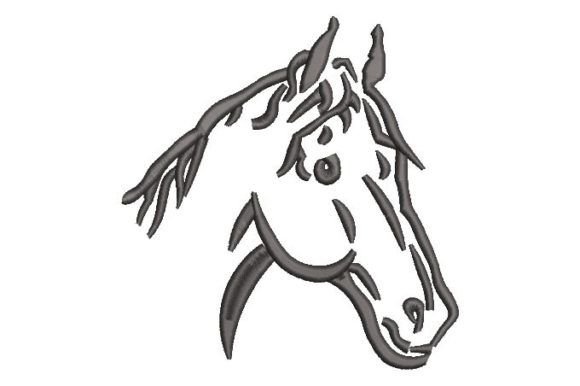
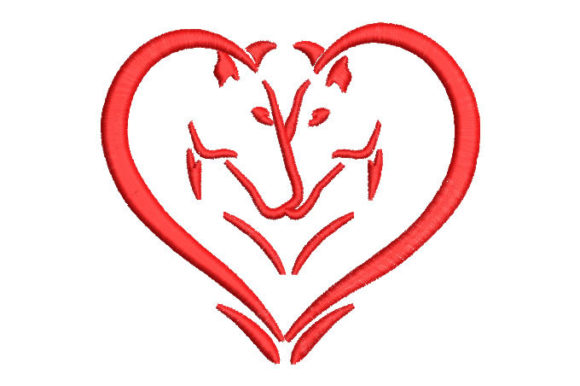
The Horse Heart design immediately strikes a balance between rustic charm and professional polish. The concept—merging the silhouette or spirit of a horse with the universal symbol of a heart—suggests warmth, passion, and care. In the context of brand identity, this is powerful. It does not scream "corporate coldness"; instead, it invites connection. When I first loaded the digital embroidery file into my software, I looked for clean lines and logical stitch paths. The description notes that this wonderful design is very beautiful embroidered with any type of fabric, which is a bold claim. In my experience, versatility usually depends on digitizing quality, not just the artwork.
Visually, the design feels handmade yet refined. It avoids the trap of being overly complex, which is often where beginner-friendly designs fail in production. For a boutique or a creative studio, this aesthetic signals attention to detail without appearing cluttered. It is elegant enough for high-end merchandise but playful enough for casual wear. This duality makes it a strong candidate for diverse product lines, from premium tote bags to staff uniforms.
Real-World Applications for Small Business Merch
The true test of any embroidery file is its adaptability across different products. Here is how I envision Horse Heart performing in various commercial scenarios:
- Embroidered Patches: This is perhaps the strongest use case. A well-digitized horse and heart motif works exceptionally well as a woven or embroidered patch. Patches are low-risk for small businesses because they can be applied to existing inventory. You can create branded patches for customer gifts or sell them as standalone handmade product accessories.
- Apron Embroidery: For bakeries, florists, or craft studios, branded aprons are essential. Placing Horse Heart on the chest pocket or the upper left chest area adds a touch of personality to staff uniforms. It reinforces the idea that the business cares about its craft, linking the love of animals or nature with the service provided.
- Cap Embroidery: Caps are tricky due to the curved surface and limited space. If the design is compact, it works beautifully on the front panel. However, if the design is wide, it may require splitting or resizing. For a local equestrian club or a pet brand, a cap with this logo becomes a walking advertisement.
- Tote Bag Design: Canvas totes are staples for eco-friendly brands. The texture of canvas holds embroidery well, allowing the thread colors to pop. Using Horse Heart as a central element on a tote bag creates a high-perceived value item that customers are proud to carry.
- Custom Apparel: Whether it is a polo shirt for a riding instructor or a hoodie for a barn manager, this design serves as an excellent chest logo accent. It is distinct enough to be recognized from a distance but subtle enough for daily wear.
Navigating Technical Challenges and Fabric Constraints
While the description states the design works with any fabric, experienced designers know that fabric texture and stitch density play pivotal roles in the final outcome. Here are areas where you must exercise caution:
Small Patch Sizes: If you intend to use Horse Heart on small items like keychains or tiny labels, you must check the detail level. Fine lines can merge when scaled down, turning a crisp heart shape into a blob. Always run a test stitch at the smallest intended size.
Curved Surfaces: When applying this to caps or curved sleeves, hoop stability is key. The design needs to sit flat. If the digitizing has high pull compensation, the fabric might pucker. Using a cut-away stabilizer is often safer than tear-away for items that will undergo frequent washing.
Dark Uniforms: Contrast is vital. If you are embroidering on black or navy uniforms, ensure your thread palette provides sufficient contrast. A dark brown horse on a black shirt will vanish. You may need to add a satin stitch border or choose lighter thread colors to maintain visibility.
Stitch Density: High density can make garments stiff and uncomfortable, especially on lightweight fabrics. Check if the design uses underlay stitches effectively to anchor the top stitches without adding excessive bulk. For towels or thick coats, higher density is acceptable; for thin t-shirts, it is not.
Impact on Brand Identity and Customer Trust
Consistency builds trust. When a customer sees the same high-quality Horse Heart emblem on your website, your packaging, and your staff’s aprons, it creates a cohesive brand experience. This visual consistency signals professionalism. In the world of commercial embroidery, sloppy stitch-outs damage reputation. A clean, well-executed design enhances the perceived value of the finished product.
For Etsy sellers and crafters, offering items with this design can differentiate your shop. It moves your products from generic to branded. Customers are more likely to engage with and share photos of merchandise that looks custom-made and thoughtful. The emotional resonance of a horse and heart combination can drive buyer engagement, particularly in niches related to animal care, rural living, or heartfelt gifting.
Practical Designer Notes for Production
Before you launch a full production run using Horse Heart, follow these steps to ensure quality control:
- Test in Black and White: Before committing to colorful threads, stitch the design out in black thread on white fabric. This reveals the structural integrity of the digitizing. If it looks good in monochrome, it will look great in color.
- Check Hoop Size Compatibility: The product description mentions multiple embroidery files, but it cuts off before specifying formats or sizes. You must verify the hoop size requirements. Ensure the design fits within your machine’s maximum hoop area without requiring re-hooping, which can cause alignment issues.
- Review Thread Color Contrast: Create a printable mockup or digital proof showing the design in your brand’s specific color palette. Compare it beside other design assets to ensure it fits your visual language.
- Confirm Commercial Licensing: This is non-negotiable. Since the description is incomplete regarding license terms, you must contact the seller or check the product page thoroughly. Ensure you have the right to use the design for small business merch and sold goods. Never assume a file is free for commercial use.
- Test on Real Fabric: Do not rely solely on screen previews. Stitch the design on the actual material you plan to use—whether it is denim, canvas, or polyester. Observe how the stabilizer interacts with the fabric and adjust tension if necessary.
In conclusion, Horse Heart offers significant potential for businesses looking to add a touch of warmth and professionalism to their merchandise. By respecting the technical limitations of embroidery and leveraging the design’s emotional appeal, you can create standout products that resonate with your audience. Always prioritize quality testing and legal compliance to protect your brand and deliver excellence to your customers.